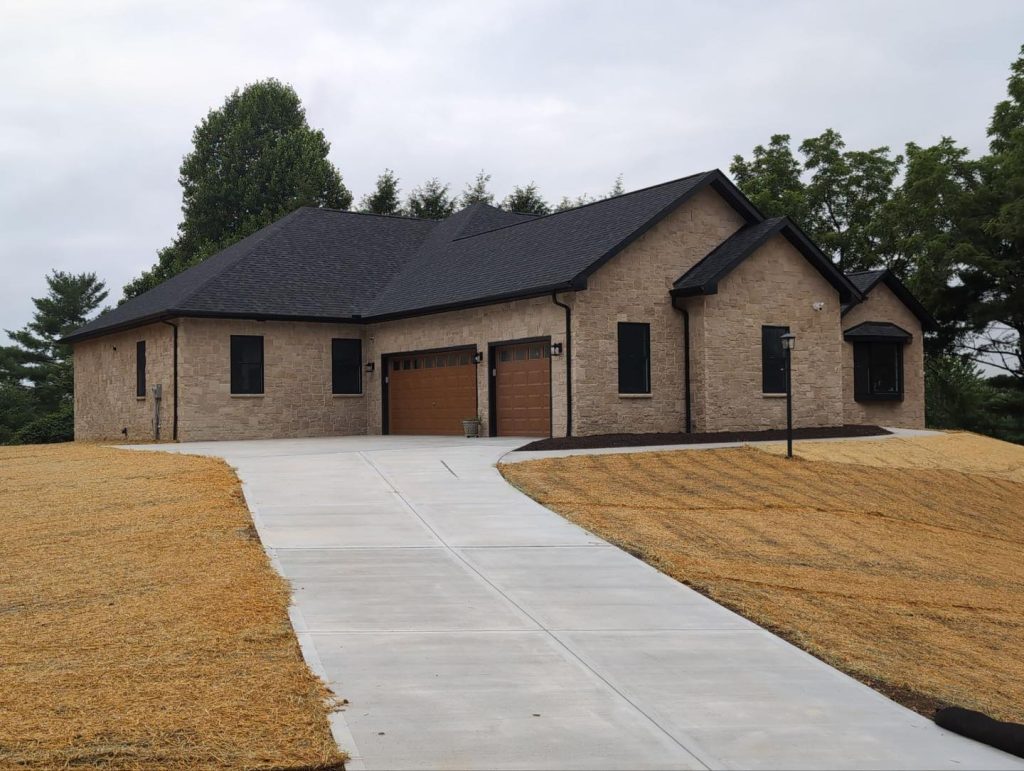
Building a custom home is an exciting opportunity to create a living space that reflects your lifestyle, priorities, and long-term needs. But before you begin designing your dream home, you’ll need to make one of the most important decisions in the entire process: choosing the right home site.
In Washington County, PA—and the broader Pittsburgh region—the landscape, climate, utilities, and local regulations can make home site selection more complex than it seems. And while this article focuses on Washington County, many of these same considerations apply to nearby Allegheny County, where terrain and township requirements can be equally varied. Selecting wisely can save you time, money, and stress while creating a strong foundation for your custom build.
This article walks you through the most important considerations for home site selection in Pittsburgh, helping you confidently evaluate lots based on terrain, slope, orientation, utilities, and municipal requirements.
NOTE: If you’re still early in the process, our foundational guide to selecting the perfect lot provides a helpful overview before diving into county-specific details.
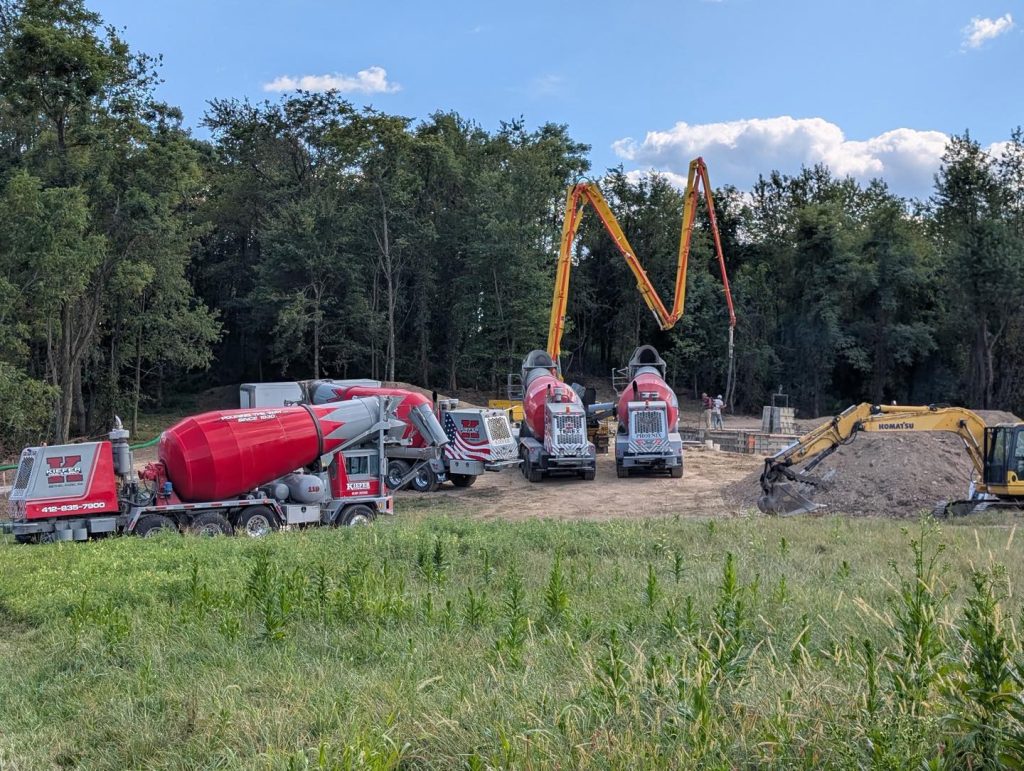
Understand the Terrain: Slopes, Soil, and Site Stability
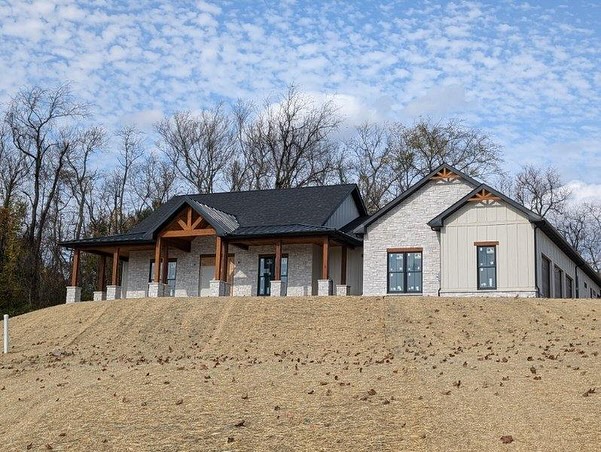
Washington County, Pennsylvania, is known for its rolling hills, wooded ridges, and dramatic elevation changes. These natural features are part of what makes the area beautiful, but they also play a major role in construction planning and cost.
Sloped or Hillside Lots
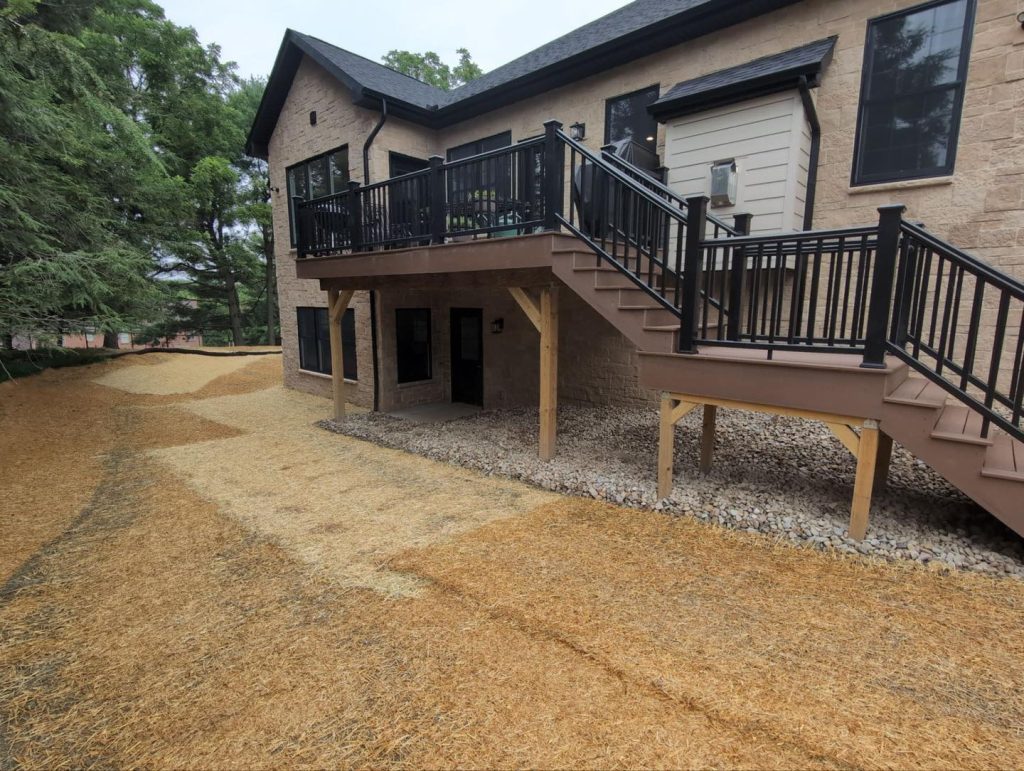
A sloped lot can give you stunning views and the opportunity for a daylight or walkout basement. However, it may also require:
- Retaining walls
- Additional excavation
- Specialized engineering
- Drainage systems
- A carefully designed foundation
The steeper the slope, the more important it is to understand how much grading and reinforcement the property will need. These conditions can affect both feasibility and the cost to build.
Soil Conditions
The Pittsburgh region contains areas of dense clay, pockets of rock, and fill from older developments. Soil composition affects:
- Drainage
- Septic feasibility (where required)
- Stability for foundations
- Construction access
A geotechnical evaluation can uncover potential issues before you make an offer on the lot.
Evaluate Sun Orientation for Comfort, Energy Efficiency, and Views
Western Pennsylvania’s four-season climate makes sun orientation an important part of home site selection. The direction your home faces influences natural light, energy efficiency, and how you’ll use outdoor areas throughout the year.
Key Orientation Considerations
- South-facing views can help maximize natural light and passive solar heating, especially during winter.
- East-facing backyards offer soft morning light, ideal for patios or breakfast nooks.
- West-facing outdoor spaces receive stronger evening sun, which some homeowners love and others prefer to avoid.
- Hills and tree canopy can block sunlight at certain times of day or year.
Orienting the home properly on the lot enhances comfort and helps reduce long-term energy costs. See how we’ve designed custom homes on sloped or wooded lots.
Understand What Utilities Are (or Aren’t) Available
Utility access varies dramatically from one township to another in Washington County. Before purchasing a lot, determine what services are available and what you may need to install.
Water & Sewer
- Many suburban neighborhoods offer public water and sewer.
- In more rural pockets, you may need a well, septic system, or both.
- Soil type and available space determine whether a septic system is feasible.
- Tap-in and permitting fees vary by municipality.
Electricity & Gas
Check the distance to the nearest utility connection. Extending service onto the property can increase costs, especially on large or wooded lots.
Some communities have access to natural gas; others rely on propane.
Internet & Cell Service
If you work from home, this is essential to evaluate early:
- FIOS is available in some townships
- Cable broadband varies
- Rural areas may rely on limited providers or fixed wireless
A stunning lot with poor connectivity can quickly lose its shine, unless you’re seeking a technology-light lifestyle.
Know the Local Regulations and Permitting Requirements
Washington County has 32 townships (Allegheny County has 130+ municipalities), each with its own zoning laws, building codes, and permitting processes. What’s allowed in Peters Township may not be allowed in McMurray. Even two neighboring townships can have dramatically different requirements.
The same is true in Allegheny County—especially in communities like Mount Lebanon and Cranberry Township—where setbacks, grading rules, and stormwater requirements can vary widely.
Common Regulations that Influence Lot Selection
- Minimum lot size
- Setbacks from property lines
- Stormwater management systems
- Grading permits for significant elevation changes
- Driveway slope limits (important for winter safety)
- Requirements for sidewalks or street improvements
- Tree removal regulations in certain communities
These rules affect both your design options and the total cost of building. Evaluating them before you purchase a lot prevents costly surprises during the design-build process.
Think About Access: Driveway Design, Snow, and Everyday Convenience
Pittsburgh winters add another layer of complexity when choosing a home site. A driveway that looks reasonable in summer may be difficult to navigate in January.
Factors to Consider
- Steep or winding driveways may require regrading
- North-facing driveways tend to stay icy longer
- Emergency vehicle access rules may influence driveway placement
- Construction trucks will need clear access to the site
If you’re evaluating a heavily wooded or secluded lot, consider the cost of extending and maintaining a long driveway.

Consider Privacy, Views, and Neighborhood Context
Your surroundings matter just as much as the lot itself. As you walk the property, think about:
Privacy
- How close are neighboring homes?
- Will you be adding landscaping or fencing for privacy?
Views
- Do the hills, valleys, or treetops offer a special vantage point?
- Could future development affect your view?
Noise & Activity Level
- Homes near major roads or busier suburban streets may have long-term noise you don’t notice during a quick visit.
- Rural lots offer solitude but may require longer commutes.
These lifestyle considerations help you determine whether the lot fits how you truly want to live.
Bring Your Builder to the Lot Before You Buy
Evaluating a lot on your own can be challenging, especially in a region with such diverse topography and municipal requirements. That’s why one of the smartest steps you can take is to involve your builder early. In fact, we can walk properties with homeowners before they make an offer (if this is you, schedule a consultation).
At Prime 1 Builders, we regularly assist homeowners during the land-selection process by:
- Assessing grading and excavation needs
- Estimating utility extensions and infrastructure costs
- Identifying potential engineering requirements
- Evaluating sun orientation and design fit
- Reviewing township regulations
- Helping homeowners understand total project feasibility
This proactive approach ensures you enter the custom home process with clear expectations—and confidence that your chosen lot can support the home you envision.
Choose a Lot that Aligns with Your Vision and the Realities of Building in Washington County
Selecting a home site is more than choosing a beautiful piece of land. It’s about finding the right combination of functionality, feasibility, and long-term livability.
Whether you’re considering a hillside lot with panoramic views or a wooded parcel tucked into a quiet neighborhood, understanding local factors—from slope and soil to utilities and regulations—will help you make an informed decision.
If you’re looking at land in Washington County or Allegheny County, Prime 1 Builders can walk the property with you and help you evaluate its potential before you buy. Contact us to begin planning your custom build with confidence.